The Shadow Idol – Setting, Place & Time
At a San Francisco hospital in 1987, psychiatric patient William Kendrick claims to be Joe Hawkins, wild lead singer of Sixties rock band The Gracious Dawn, who died in 1970. Psychology student Tyler Rafferty is drawn into a dark labyrinth of mind games, to discover if William really is Joe Hawkins or a dangerous fantasist and master manipulator. From Los Angeles to Paris, Joe Hawkins’ extraordinary life story is told, rising from humble poet to notorious rock idol. Tyler is running on lost time to solve the mystery of William Kendrick’s identity and uncover an explosive secret hidden from the world…
Setting, place and time are vital in creating the memorable feel to a novel, to draw the reader into the character’s lives and keep them hooked. ‘The Shadow Idol’ delves into the Californian swinging Sixties, while straddling the iconic 1980s era, to create an effortlessly cool backdrop to a page-turning story.
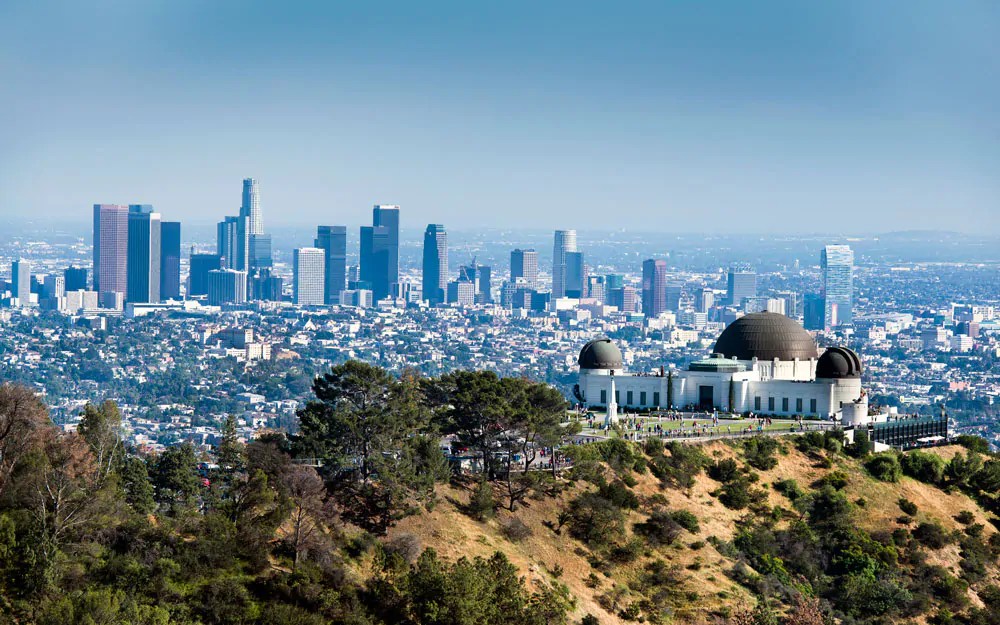
For the settings and locations in ‘The Shadow Idol’, I needed to create environments which could act as scenery to the action taking place in 1987, but also work as reflections and triggers for William’s memories. William lives in a dilapidated bungalow in the depths of the Redwoods Forest, alone and isolated from society. The forest acts as a dramatic background for Tyler to begin to delve into William’s turbulent life, and is a mirror to reflect the dark, claustrophobic thoughts in his schizophrenic mind. In sharp contrast, Los Angeles provided a shining and vibrant location for much of the action in the book. LA’s bars, music clubs, streets and cheap motels, allowed me to carve out a stage set for the raw reality of Joe Hawkins’ life as a Sixties rock star, and create a wild and decadent interactive world for William and Tyler in 1987.
Time is the major structural aspect of the book. We follow Joe Hawkins’ explosive life as America’s infamous Sixties rock star, intertwined with William and Tyler’s road trip through California in 1987. Choosing to set the novel in 1987, provided an abundance of iconic music (Bon Jovi, Guns N’ Roses, INXS), movies (The Lost Boys) and TV shows (Dynasty), all of which could be referenced in the book. Equally important, 1987 was a key year for the breakthroughs in the study of schizophrenia which is paramount to Tyler’s analysis of William. It was important for the Eighties cultural references not to be a distraction from the fast-paced plot of the book, so I used them sparingly and ensured any descriptions of music, brand names, food and fashion were all relevant to the action taking place in a scene and sat seamlessly within that scene.
I structured the novel with alternating chapters of excerpts from Joe Hawkins’ journal. This is a first-hand account of Joe’s inner feelings as he transitioned through a troubled childhood, growing into a humble poet intent on changing society, to his untimely descent into drink and drugs as the pressure of fame destroyed him. Using time in the novel, both as a reflective tool for William’s memories, but also through the very personal (and vulnerable) insights of Joe’s journal, allows the reader to hear every side to a complex life story, from very different perspectives.
As an author I must make the reader feel the story and the characters, by heightening the use of the five senses. Having William physically engage and interact with his environment through touch, sight, sound, taste and smell, brings a greater and more human intensity to his recollections and builds a more visceral reality for the reader. As William says when he arrives back in LA in 1987: “Ah that smell, that raw Sunset Strip smell. It’s still the same after all these years, I swear you can taste the seediness in the back of your throat.”
‘The Shadow Idol’ shines a spotlight on the life of the world’s most famous rock star, drawing the reader into the alluring world of the swinging Sixties, paired with the iconic cool of the Eighties, to create an immersive and memorable book.
@acbolerauthor
The Shadow Idol – The Nature of Fame

Joe Hawkins was America’s most notorious rock star, but did he fake his own death to live a new life of freedom? Tyler Rafferty must discover the truth…
An image can last for a lifetime, but what is the reality behind that famous image, the real person who the world will never see. ‘The Shadow Idol’ reveals that truth.
At a San Francisco hospital in 1987, psychiatric patient William Kendrick claims to be Joe Hawkins, wild lead singer of Sixties rock band The Gracious Dawn, who died in 1970. Psychology student Tyler Rafferty is drawn into a dark labyrinth of mind games, to discover if William really is Joe Hawkins or a dangerous fantasist and master manipulator. From Los Angeles to Paris, Joe Hawkins’ extraordinary life story is told, rising from humble poet to notorious rock idol. Tyler is running on lost time to solve the mystery of William Kendrick’s identity and uncover an explosive secret hidden from the world.
There was a temptation to write a novel solely about the debauched and decadent life of a rock star, although there is plenty of sex, drugs and rock ‘n’ roll in the book! But I saw a unique opportunity to write from inside the mind of a rock star, examine their inner psychology from childhood through to their premature death, and to shine a light on the real man existing in the shadow of the icon. As music fans, do we even want to know the real person with all-too human flaws? Or do we just crave the escapist fantasy that rock stars provide us.
From Jimi Hendrix to Kurt Cobain and Amy Winehouse, so many music stars die young, reliant on drink and drugs when they seemingly have the world at their feet. Is there a tipping point when the creative dream of success and recognition turns into a nightmare once that dream is achieved? Who do you trust when people around you keep you in a fake bubble of flattery, where no-one will tell you the truth and people only want to be around you for your fame. Does all the money and adoration make up for your loss of freedom when you are most famous star in the world?
‘The Shadow Idol’ gives a Sixties rock star the chance to tell his side of the story from beyond the grave, break through the myths for a no-holds-barred account of why he behaved in the way he did, what motivated his reckless actions, and how he felt emotionally inside. From LA to Paris, the story centres in 1987 as William and Tyler journey through the life and perceived memories of Joe Hawkins. Tyler is a young, naïve psychology student and is ripe for William to control through his manipulative mind games. I structured the novel with alternating chapters of Joe Hawkins’ private journal; a first-hand account of how Joe was feeling as he transitioned through a troubled childhood, to being a simple poet who wanted to change society, to becoming a rock god dependent on drink and drugs to manage the pressure of fame on his young shoulders.
I have worked in some of the world’s most prolific entertainment companies from MTV to Sony Music, and I have been fortunate to meet everyone from Bono, Madonna and The Backstreet Boys. For twenty-five years I have seen the true nature of fame; how artists are treated by the people around them, how the fans behave towards them, and the realities and misconceptions of fame as young un-signed artists rise to become stars.
I am not a conspiracy theorist and that wasn’t my plan with this novel. I wrote it more as a comment about how as a society we struggle to let our heroes die. Conspiracy theories will always abound around the death of celebrities from Marilyn Monroe, Michael Jackson and Tupac – we simply cannot let our heroes die because we have elevated them to iconic status; they go beyond being mere mortals and that is why we are fascinated by them even decades after their deaths. As William says of Joe Hawkins in the novel: ‘What a terrible price I had to pay to satisfy other people’s fantasies.’
‘The Shadow Idol’ pulls back the veil to get a unique insight into the life and mind of America’s most famous rock star, to reveal the real man hidden in the shadows who the world will never see.
@acbolerauthor
 acboler.com